Vestigial Artifacts
6 min read
Posted to Medium Dec 1, 2018
Observation
In 2005, I started a brand experience experiment. I had a sinking feeling that music consumption was going to change drastically in the coming years and wanted to see how much a cohesive brand story and aesthetic could hold the attention of people in the same way as music labels in my youth had for me.With the explosion of better and cheaper music making/recording tools and ways of digital distribution, there was exponentially more music to in the world to listen to, and easier ways to find it. That said, I had always valued the ‘environment’ of an album as being crucial for my perception of it and saw that the size of album art was getting smaller (a thumbnail on an mp3 player, for example) and the need for packaging was getting more fetishistic. Elaborate multi-element CD box sets became more and more emotionally valuable in peoples collections (and thus more and more elaborate). But with these new ways of making/sharing/finding music, a shift in how people made albums changes too. Because of the importance of social networking, tracks became more important than albums, music was found by recommendation (rather than browsing) and there has become a sort of ‘consumer catatonia’ of too much choice with the lack of any context at all. For better and worse, there has been a loss of a focused marketplace.
Brand Equity
As a teenager I would love going into a record store, look for the 4AD albums and buy new bands on cover design alone. The covers implied full stories and unknown contexts that became filters to listening to the music. I wanted to see if I could create that in a different time where anybody could get their music out there. Its like buying music 20 years ago was like fishing in a lake, and now its like fishing in the sea. So much more to choose from, Genres don’t really exist anymore and recording quality isn’t a deciding factor.
So I set out to make every release relate to a theme. Story and context baked in. Rather than the albums just be a collection of un related songs, I set out to wrap every release in a story or feeling, and have all of the stories and feelings somehow relate to the whole labels’ ethos. Plus, I just always loved concept albums. so a label based on concept albums seems a nice idea.
Transition
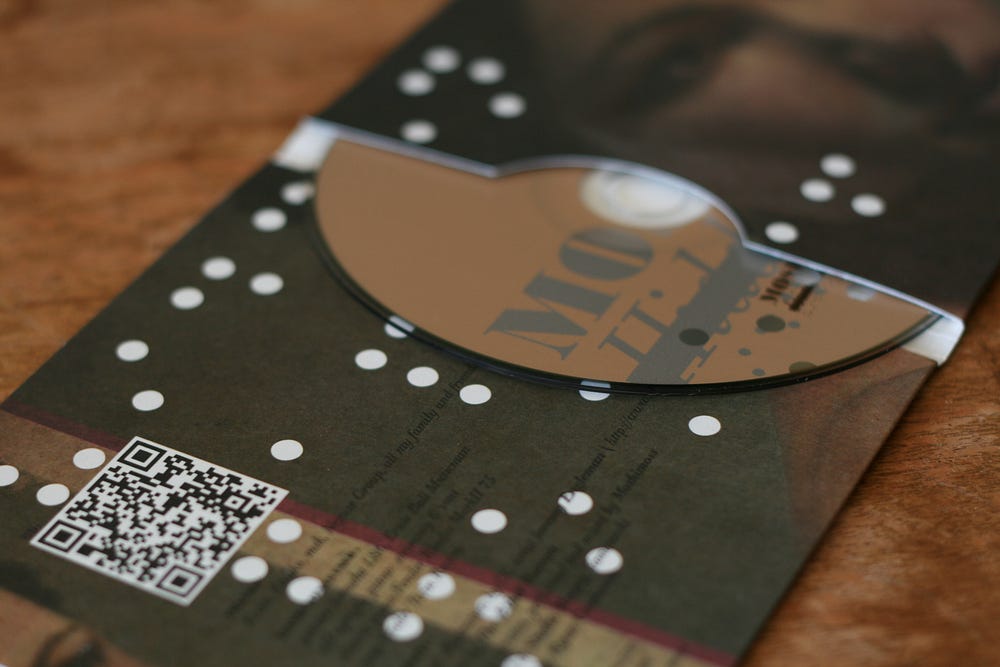
So I began by offering a hybrid of experiences: Making our artists music available on all digital platforms, with an attempt at making it easy to get and easy to use. Downloads from iTunes was the most prolific outlet at the time, streaming networks hadn’t really hit the market yet, or were the wrong market for the style of music I was interested in (for example, Rhapsody wasn’t really a place for people looking for Experimental Ambient music). As time went on, streaming became viable and by 2013, our Spotify royalties outnumbered iTunes.
Keepsake
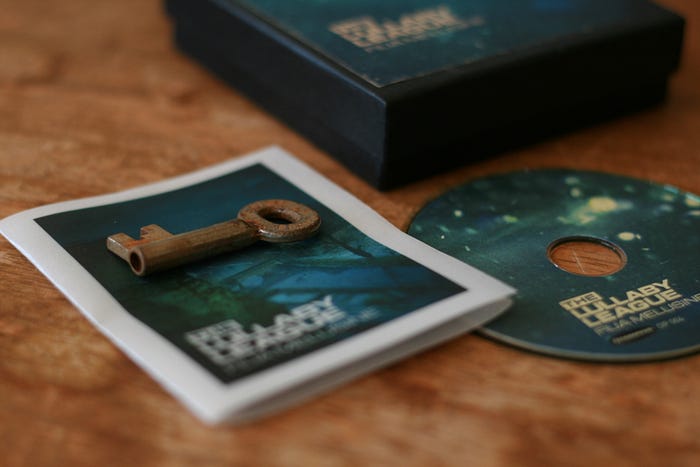
The other side of the offering was to make small run, unique and often bespoke handmade CD sets. This was a enjoyable way to innovate with cost-effectiveness, tactility and perceived value. There was a short ‘mini-CD’ series called ‘Parcel’ that came in small jewelry boxes with glass slides, antique keys, sleep masks and other objects appropriate to the albums theme. These were successful in catering to a more inclusive experience, as well as giving that warm fuzzy feeling of ‘owning something special’. Handmade releases infuses focus and care and thus became more ‘valuable’. There is intrinsic value of inviting the listener into the process of storytelling, as well as the story itself.
However, this became increasingly difficult and expensive, making shorter runs to create ‘limited edition’ status and minimize waste (I still have boxes and boxes of CD’s I can’t sell, 10 years later). I made USB stick versions of albums (Refractors 8-Year Sleep) complete with a custom built ‘full immersion’ flash player (remember flash?). At some point I was going to offer albums via QR code and geocaching- an idea I called ‘Music Caching’. But thats for another post.
Learnings
In the beginning, Streaming seemed to be the key to success, assuming usage would grow (which it certainly had). The great thing about streaming services is that it works better for ‘long tail’ marketing approaches which are the only affordable way for new artists and labels to stay afloat. Old school marketing techniques however were no longer working. Once upon a time you could place an ad in a zine or 10, send out a bunch of CDs for reviews with fancy press kits and really push for a compelling ‘launch’. A launch was important because initial sales of an album was the key spike to an albums success.
Streaming works better because the more people play it the money keeps coming and an album could earn money years after its release. Marketing an album that is mostly experienced through streaming is difficult and still hasn’t been codified- Its all about playlists, word of mouth and media placement. That requires a whole new ongoing social effort than before (and a whole lot more time). It requires regular posting, commenting, collaborations and on and on.
The other thing I learned was that the ‘object’ had become more and more useless in peoples lives. At first it was actually used (people used to play CD’s remember?) but soon turned into a sort of archive backup (“ I have the songs in my music library for listening, but I have my CD in my bookshelf just in case I lose the files). But even the archive approach faded out over time. Our online services were more and more dependable at making sure we didn’t lose our files. And streaming certainly solved it.
Moving on
There were several factors that eventually convinced me that I should move on from doing the label. For starters, the time it would require to continually market each album in the social networks required a full-time job, and I’m not a fan of Facebook. Secondly the ‘spheres of influence’ map has become less true (Mavens at the center, style maker surrounding them, and general population outside of that). Originally I was depending on marketing to the mavens via reviews and such, but they were less and less able to influence style makers. Marketing to style-makers works well, but its just too expensive. Lastly, It came clear that each band could do just as good, if not better to promote their own music in the sea of digital streaming. I wanted to spend my time curating the experiences around the label and each release, and more and more I had to spend all my spare time just marketing, dealing with royalties and I just couldn’t afford the time.
Someday I would love to chat with Taylor Dupree of 12k, or Samuel Valenti of Ghostly to see how they have managed to uphold their brand equity in the age of streaming and see if they are able to hold on to a ‘place’ people would actively experience. And whether it has helped them stay afloat.
I miss building those compelling contexts to a set of talented composers’ side projects. I miss being so totally immersed in a projects holistic story. I don’t miss the business. I don’t for a second regret having spent 10 years trying to make the experiment succeed.